
Varmt välkomna till vårens ISTDP Academy!
Vi har justerat ramarna på några punkter:
Vi provar en ny tid, alla presentationer 18:30-21. Presentationerna ligger nu också på olika veckodagar, från tisdag till torsdag.
Därtill är priset halverat till 600 kr.
Sammantaget hoppas vi att detta tillgängliggör presentationerna för ett större antal medlemmar.
Så går vi våren till mötes, välkomna!
February 4: Marianne Berggren - When there is no hope left: letting go of omnipotence in therapy

About the presentation: This presentation will focus on the therapist’s work with deactivating their own omnipotence in the therapeutic process. I will present material from the termination phase of a therapy in which we have systematically worked with character defenses such as minimization, self-criticism, and denial. A central focus of the presentation will be how the function of the intervention, rather than its specific wording, becomes crucial in deactivating an omnipotent transference reaction. The therapeutic impact depends less on what we say in these situations and more on the position from which we say it. In this presentation, I want to show my own process of finding a way to work with ISTDP technique more as a vehicle than as a destination.
Bio: My name is Marianne Berggren, and I am a licensed psychologist practicing in Malmö. I have been working with ISTDP since 2017 and am currently in the training for trainers program with Jon Fredrickson to become a teacher/supervisor.
March 3: Johannes Kieding - The “Intensive” in ISTDP: An Unrelenting Focus on Resistance Across Standard and Graded Formats
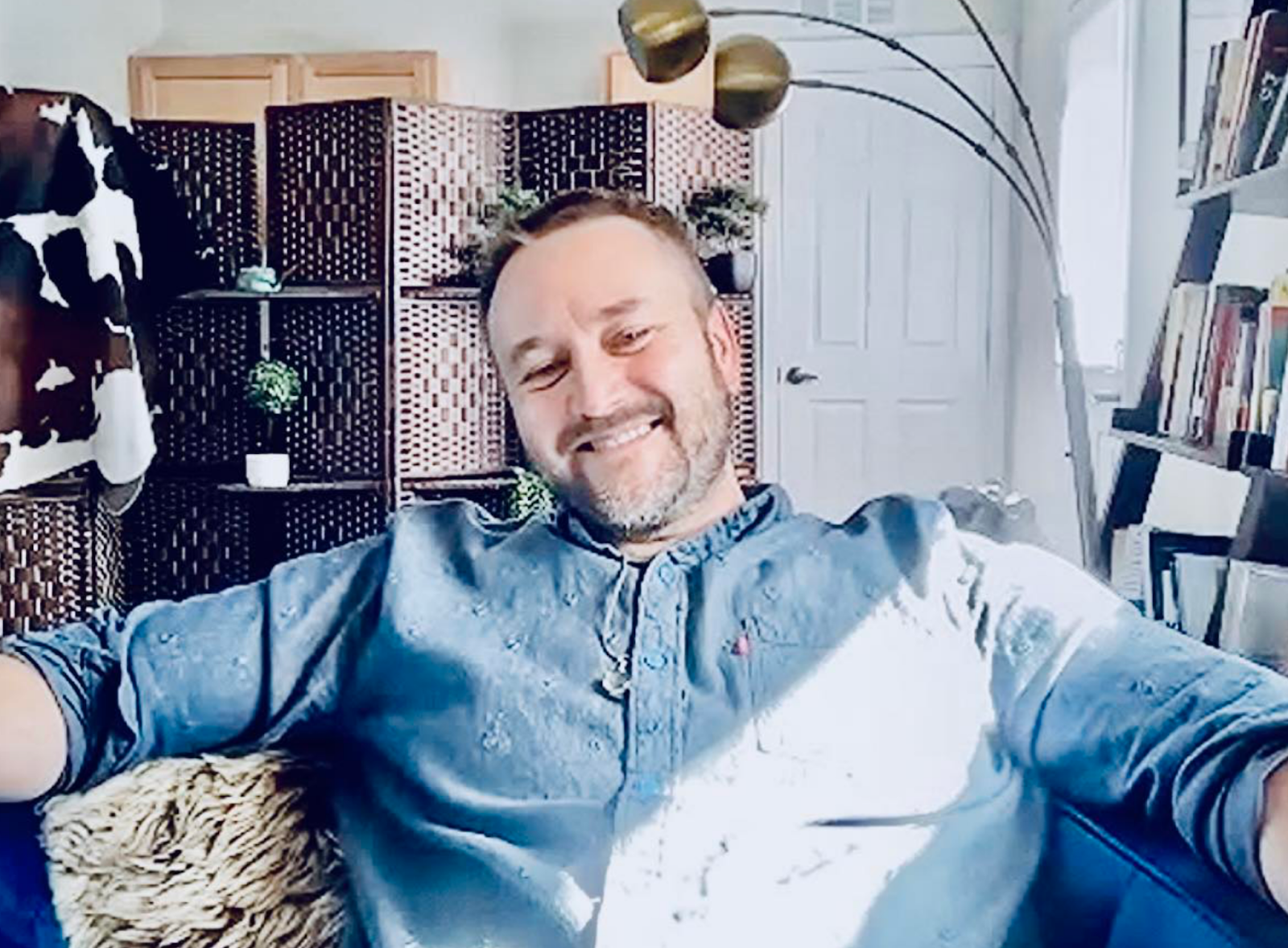
About the presentation: This presentation examines psychotherapy with a highly resistant patient across multiple sessions, illustrating an unrelenting focus on resistance as the defining feature of the intensive in ISTDP. We begin with a later session conducted primarily in the standard format, marked by sustained pressure and challenge. The work reveals a distinctive clinical picture in which mild over-threshold cognitive disorganization coexists with a specific transference resistance.
The presentation then moves backward to earlier sessions with the same patient to demonstrate how this level of intensity was established. These earlier segments illustrate how a tight focus on resistance is maintained while working within the graded-restructuring format, with graded interventions functioning as preparatory groundwork for the standard format. The presentation also includes an example of a head-on collision that makes deliberate and generous use of the real relationship.
Across standard format, graded-restructuring work, and interventions emphasizing the real relationship, the presentation highlights a single through-line: the intensive in ISTDP is defined by a sustained and unrelenting focus on resistance.
Bio:
Johannes began his clinical career in community mental health settings and has practiced psychotherapy since 2012, entering private practice in 2015 and remaining in community mental health through 2018. In 2012 and 2013, he met Habib Davanloo and was directly exposed to Davanloo’s clinical work, an experience that had a lasting influence on his development as a therapist. He received regular supervision for nearly a decade from Marvin Skorman—Davanloo’s right-hand collaborator in the 1980s. Following Skorman’s emphatic encouragement in 2017, Johannes began teaching and supervising ISTDP trainees internationally. Since 2021, he has also intermittently supervised clinical staff at the Rochester Institute of Technology and master’s-level social work interns at Arizona State University.
April 7 & April 14: Sandro Rosseti
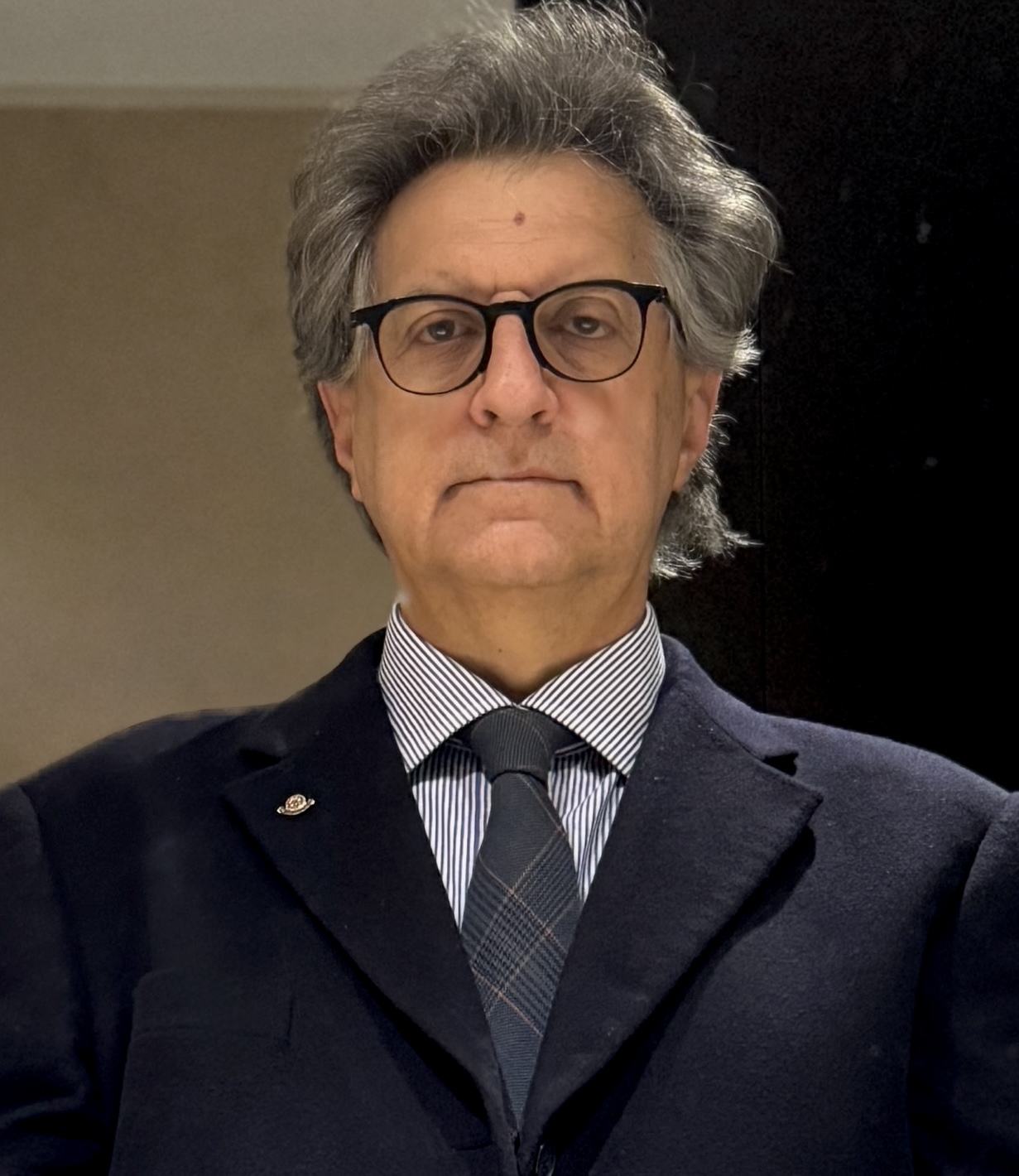
About the presentation: In the course of the two online meetings he will present in the first one a summary on H.Davanloo’s Metapsychology, about Central Dinamic Sequence and the Key Factors in Davanloo’s ISTDP.This will be followed by a video of the first part of a first session (approximately until Cristallization of Resistance in Transference) with a young man.
During the next meeting, the second part of the first session will be shown, until access to the unconscious and direct experience of Guilt, the curative factor in any neurotic condition.After that, a follow-up session, recorded 7 years after the first one, will be presented, to show the changes in the life of the patient and the persistance of those modifications after such a long time.
There will be time for questions, at the end of any presentation.
Bio: Dr Sandro Rosseti is an Italian MD, Psychiatrist and Psyvhotherapist. He came in contact with dr Davanloo’s work and teaching in 1988, and began systematic training directly with him in 1991. Firstly accepted in Bad Ragaz (CH) European Course, then by 2005 in Montreal Supervisory Program and core training, and from 2010 to 2015 in the first Montreal Course in Mobilization of the Unconscious, the most powerful training technique in ISTDP.He is the co-founder since 1996 and the current President of the Italian Institute for H.Davanloo’s ISTDP, where he trains colleagues interested in ISTDP via Metapsychology Courses, Supervision, and Mobilization of the Unconscious, a trchnique which is designed for the ISTDP therapist to understand and undo their pathological unconscious defenses, the major obstacle in working effectively with patients.Since 2010 he is, on direct appointment by dr Davanloo, the Trainer for the Danish Davanloo Institute. He uses the same technques used in Italy: Metapsychology, Supervision and Mobilisation of the Unconscious.
May 7: Deborah Pollack - Both Sides Now: Facing the Existential in ISTDP

About the presentation: In this presentation, I offer a brief introduction to existential-phenomenological psychology and describe how my original training in this orientation influences my practice of ISTDP. While confronting our own mortality can be seen as bleak or nihilistic, it can also lead to a sense of freedom and vitality, allowing for a poignant appreciation of the beauty and pain of life while remaining grounded in reality. I will discuss how an existential orientation, integrated with ISTDP technique, can help therapists loosen omnipotent or transcendent fantasies, deepen affective experience, and support patients in accepting the inherent imperfection of their lives so that they can turn away from the therapist as their savior and toward the concrete ways they can live more aligned with their personal values.
Drawing on Yalom’s notion of fellow travelers, the presentation will invite participants to consider the existential concerns that shape our work as therapists, including unconscious fantasies of rescue and the myriad other ways that we avoid painful existential realities alongside our patients. A substantial portion of the talk will involve clinical material, including a case example of an older woman in time-limited ISTDP who had long avoided facing the realities of her unhappy marriage. We will see how ISTDP techniques, combined with a compassionate but firm encouragement to face loss and the passage of time, supported the mobilization of a newfound drive to make meaningful changes in her life.
Bio: Dr. Deborah Pollack received her Ph.D. in Clinical Psychology from Duquesne University in Pittsburgh in 2006. She is currently an Associate Professor of Psychology at Utica University, and she also holds faculty appointments at SUNY Upstate Medical University, and Syracuse University, where she teaches and supervises undergraduate and graduate students in psychology. Dr. Pollack is President-elect of the International Experiential Dynamic Therapy Association (IEDTA), Past-president of the Central New York Psychological Association, and a recent graduate of the American Psychological Association's Leadership Institute for Women in Psychology. She is a certified teacher and supervisor by the IEDTA and runs a core training in ISTDP. Dr. Pollack is a qualitative researcher and has published several articles in peer reviewed journals, and presents internationally on process and outcome studies of Experiential Dynamic Therapy. She is Lead Editor of the Journal of Contemporary ISTDP and is currently writing the book, Time, Limits, and Ethics in 21st Century Psychotherapy: Escaping the Hall of Mirrors, to be published with Routledge in 2027.
